
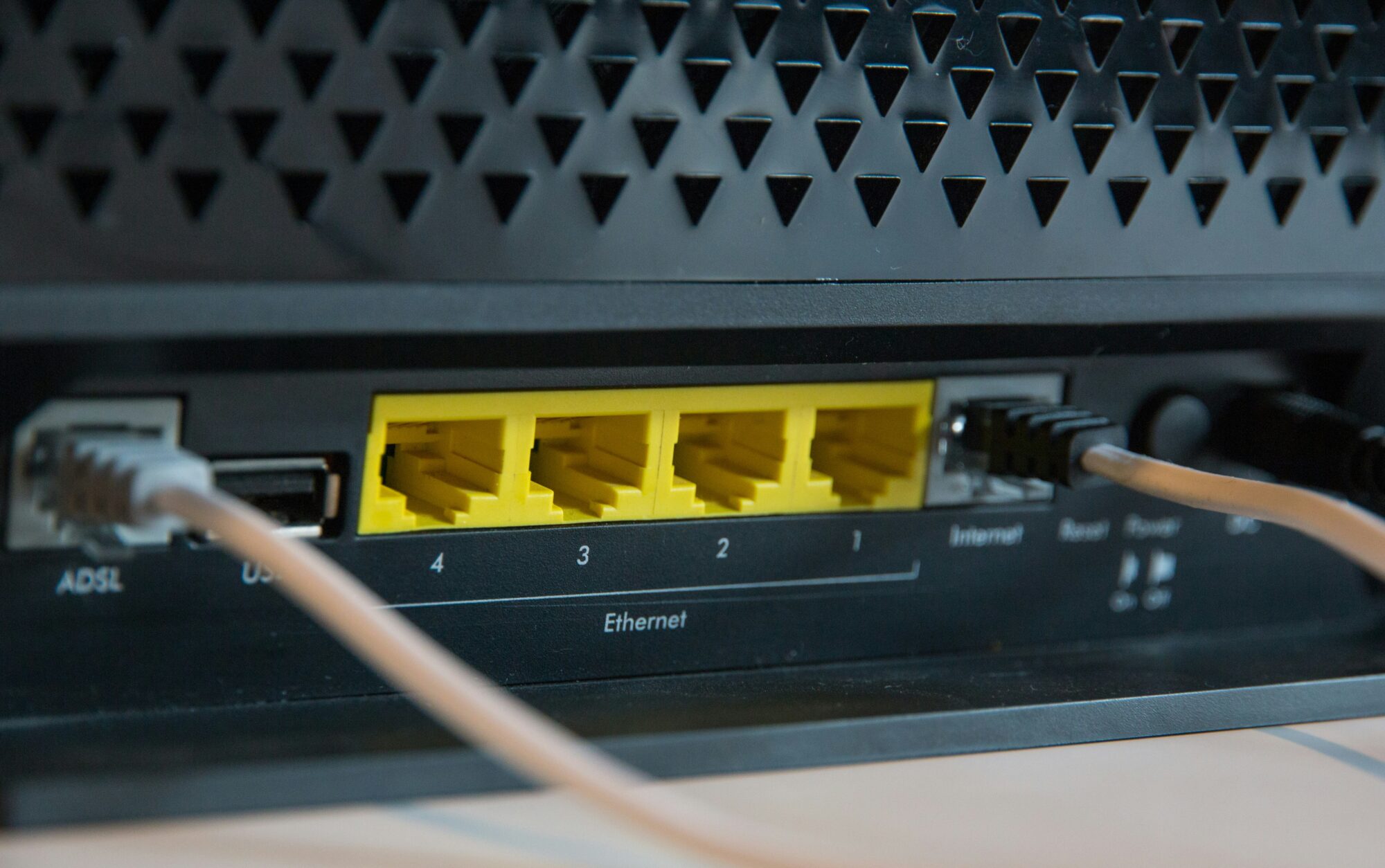
Finding a fast, reliable internet connection in Southern California should be simple. But if you have ever tried to navigate the overlapping coverage maps of Los Angeles, Orange County, Ventura, or Santa Barbara, you know it is anything but straightforward. One neighborhood gets lightning-fast, symmetrical fiber-optic speeds, while another just three blocks away is stuck with aging copper lines or spotty cellular signals.
Between remote work, multi-device streaming, online gaming, and expanding smart home ecosystems, your internet connection is the backbone of your daily life. Choosing the wrong provider or plan can mean endless buffering, surprise data overage fees, and frustrating dropouts during critical video calls.
This comprehensive guide breaks down exactly how to evaluate, compare, and choose the right internet service for your home or business across Southern California’s diverse coastal and valley communities.
1. Understand Your Bandwidth and Speed Requirements
Before looking at provider maps, you need to understand what your household or business actually needs. Internet speed is measured in Megabits per second (Mbps) or Gigabits per second (Gbps).
Many providers heavily market their download speeds (how fast you can pull data from the internet), but upload speeds (how fast you send data) are equally critical if you work from home, back up files to the cloud, or jump on high-definition video conferences.
Assessing Your Use Case
- Light Usage (100–300 Mbps download): Ideal for single or dual-user households focusing on web browsing, checking emails, and streaming 4K video on one or two devices simultaneously.
- Moderate to Heavy Usage (300–500 Mbps download): The sweet spot for modern families with multiple connected devices, smart TVs, remote workers, and occasional online gamers.
- Power Users & Smart Homes (500–1,000+ Mbps / 1 Gbps+): Essential for households with heavy data demands, multiple remote professionals working simultaneously, content creators uploading massive video files, and dense smart home setups with continuous security camera feeds.
2. Decode the Technology: Fiber, Cable, 5G, and Satellite
Southern California features a complex mix of network infrastructure. The type of technology delivering internet to your property determines your maximum performance, latency, and reliability.
Fiber-Optic Internet
Fiber utilizes ultra-thin glass strands to transmit data using light pulses. It is the gold standard of modern internet infrastructure, offering symmetrical speeds—meaning your upload speeds are just as fast as your download speeds. Fiber also boasts the lowest latency (lag) and the highest resistance to severe weather or electromagnetic interference.
Cable Internet
Cable networks run on coaxial lines originally laid for television services. While cable easily delivers high download speeds (up to 1 Gbps), its upload speeds are significantly restricted—typically maxing out between 20 to 50 Mbps. Cable networks are also shared networks, meaning speeds can fluctuate and drop during peak evening hours when your entire neighborhood logs on at the same time.
5G Home Internet (Fixed Wireless)
Fixed wireless uses local cell towers to beam high-speed internet directly to a receiver inside your home. It has grown rapidly across SoCal as an alternative to traditional wireline monopolies. While setup is incredibly simple, speeds and latency depend heavily on your proximity to the nearest tower, physical obstructions like hills or tall buildings, and network congestion from mobile users.
Satellite Internet
Traditional and Low Earth Orbit (LEO) satellite providers use space-based networks to deliver internet. This technology is generally reserved for rural or mountainous pockets of Southern California where physical cables cannot be reasonably run. LEO options offer decent download speeds, but traditional satellite options suffer from severe latency delays due to the vast distances data must travel.
3. Southern California Regional Deep Dive: County-by-County
Because infrastructure is managed locally, your internet options change dramatically depending on which Southern California county—and specifically which neighborhood—you call home.
Los Angeles County: High Density and Infrastructure Variance
As the most populous county in the nation, Los Angeles features an incredibly fragmented internet landscape. Densely packed urban centers like Downtown LA, Koreatown, and Santa Monica feature extensive fiber-optic infrastructure alongside premium business enterprise options.
However, as you move into suburban valleys and coastal pockets, your choices can narrow significantly:
- The San Fernando and San Gabriel Valleys: Suburban communities like West Hills, Pasadena, and Burbank generally have strong cable coverage, with fiber rollouts expanding neighborhood by neighborhood. If you reside in older residential zones, you may still rely on legacy copper networks that limit top-tier speeds.
- Coastal and Canyon Obstructions: Topography plays a massive role in LA County. If you live in Malibu, Topanga Canyon, or the rugged areas of the Santa Monica Mountains, line-of-sight obstructions can make 5G home internet unreliable, making high-speed cable or specialized satellite networks your primary options.
Orange County: Planned Communities and Fiber Footprints
Orange County benefits from newer, master-planned suburban layouts, which made modern utility installation far more efficient than in older parts of Los Angeles.
- High Fiber Penetration: Cities like Irvine, Mission Viejo, and Huntington Beach boast some of the highest fiber-optic availability rates in Southern California. Tech corridors and residential developments built over the last two decades frequently feature pre-installed, high-capacity underground fiber networks.
- The Cable Alternative: In older coastal towns like San Clemente or portions of Newport Beach, infrastructure can be more restrictive. If fiber hasn’t reached your specific street, premium cable networks remain highly reliable utilities capable of supporting large households.
Ventura County: Suburban Commuters and Coastal Valleys
Ventura County offers a distinct mix of coastal cities, tight-knit suburban developments, and sprawling agricultural valleys.
- Urban Coasts vs. Inland Valleys: In larger hubs like Ventura, Oxnard, and Thousand Oaks, residents have access to high-speed cable and expanding fiber footprints. However, inland communities nestled in the valleys—such as Ojai or Santa Paula—frequently face infrastructure limitations due to geographical isolation.
- Wireless Alternatives: In agricultural and foothill regions where wireline deployment is sparse, fixed 5G wireless internet has become an essential alternative, bypassing the need to trench physical cables across miles of open land.
Santa Barbara County: Historic Preservation and Rural Pockets
Santa Barbara County presents unique challenges for internet infrastructure due to strict local historic preservation rules, environmental protections, and highly variable terrain.
- The South Coast: In the city of Santa Barbara, Goleta, and Montecito, aesthetic ordinances mean utilities must be kept out of sight, often delaying massive modern infrastructure overhauls. Cable networks are well-established here, and local fiber expansion is moving methodically.
- The North County and Wine Country: Moving past the Santa Ynez Mountains into Santa Maria, Lompoc, or Solvang, the landscape opens up into sprawling agricultural land and wine country. In these rural zones, traditional wireline internet can be tough to secure, making LEO satellite services and localized fixed wireless networks standard solutions for keeping properties connected.
4. How to Audit and Choose the Right Plan
Do not let introductory pricing or flashing marketing banners dictate your decision. Follow this structured process to evaluate your options systematically:
Step 1: Run an Address-Specific Coverage Check
Never trust a general county or city coverage map. Providers operate on a street-by-street basis. Use exact address checkers to see which companies actually have lines dropped to your specific property.
Step 2: Calculate Your Total Device Load
Count every single connected device in your home or office. This includes smartphones, laptops, tablets, smart TVs, gaming consoles, smart thermostats, security cameras, and automated appliances. A high device count requires a robust router and higher bandwidth to prevent data bottlenecks.
Step 3: Check for Asymmetrical Speeds and Data Caps
If a provider offers “Up to 500 Mbps,” look closer at the fine print. Ensure you know the exact upload speed. Additionally, ask if the plan enforces a monthly data cap (often 1.2 Terabytes on cable networks). If your household streams constantly in 4K or downloads massive gaming files, you could easily breeze past a cap and face unexpected overage charges.
Step 4: Evaluate Contract Terms and Equipment Fees
Many providers offer enticing promotional rates that expire after 12 or 24 months, causing your monthly bill to jump significantly. Factor in hidden costs like router rental fees ($10–$15 per month) and installation charges before finalizing your budget.
5. Summary Matrix of Southern California Internet Technologies
| Technology Type | Average Download Speeds | Average Upload Speeds | Latency Level | Best For |
| Fiber-Optic | 300 Mbps – 5,000 Mbps | 300 Mbps – 5,000 Mbps | Ultra-Low (1–10ms) | Power users, remote professionals, competitive gaming, smart homes. |
| Cable | 100 Mbps – 1,000 Mbps | 10 Mbps – 50 Mbps | Low-Moderate (15–35ms) | Standard families, high-definition streaming, general remote work. |
| 5G Home Internet | 50 Mbps – 300 Mbps | 10 Mbps – 30 Mbps | Moderate (30–60ms) | Cord-cutters, areas lacking fiber/cable, budget-conscious users. |
| LEO Satellite | 50 Mbps – 220 Mbps | 10 Mbps – 25 Mbps | Moderate (40–60ms) | Rural inland valleys, mountain properties, remote agricultural zones. |
6. Elevating Beyond the Provider: The Local Network Infrastructure
Securing a fast internet plan from a provider is only half the battle. If your internal property wiring is outdated, or if your Wi-Fi router is hidden away in a distant closet, you will never experience the speeds you are paying for.
For homes and businesses throughout Ventura, Los Angeles, Orange County, and Santa Barbara, optimizing your internal network is what transforms a frustrating connection into a seamless utility. This is where customized network architecture, structured data cabling, and commercial-grade Wi-Fi access points become necessary. Investing in proper hardware placement ensures that high-speed signals successfully penetrate thick concrete walls, span across multi-story properties, and handle heavy localized traffic without dropping a single packet. Contact us today to learn more about installing internet in your home or business.