
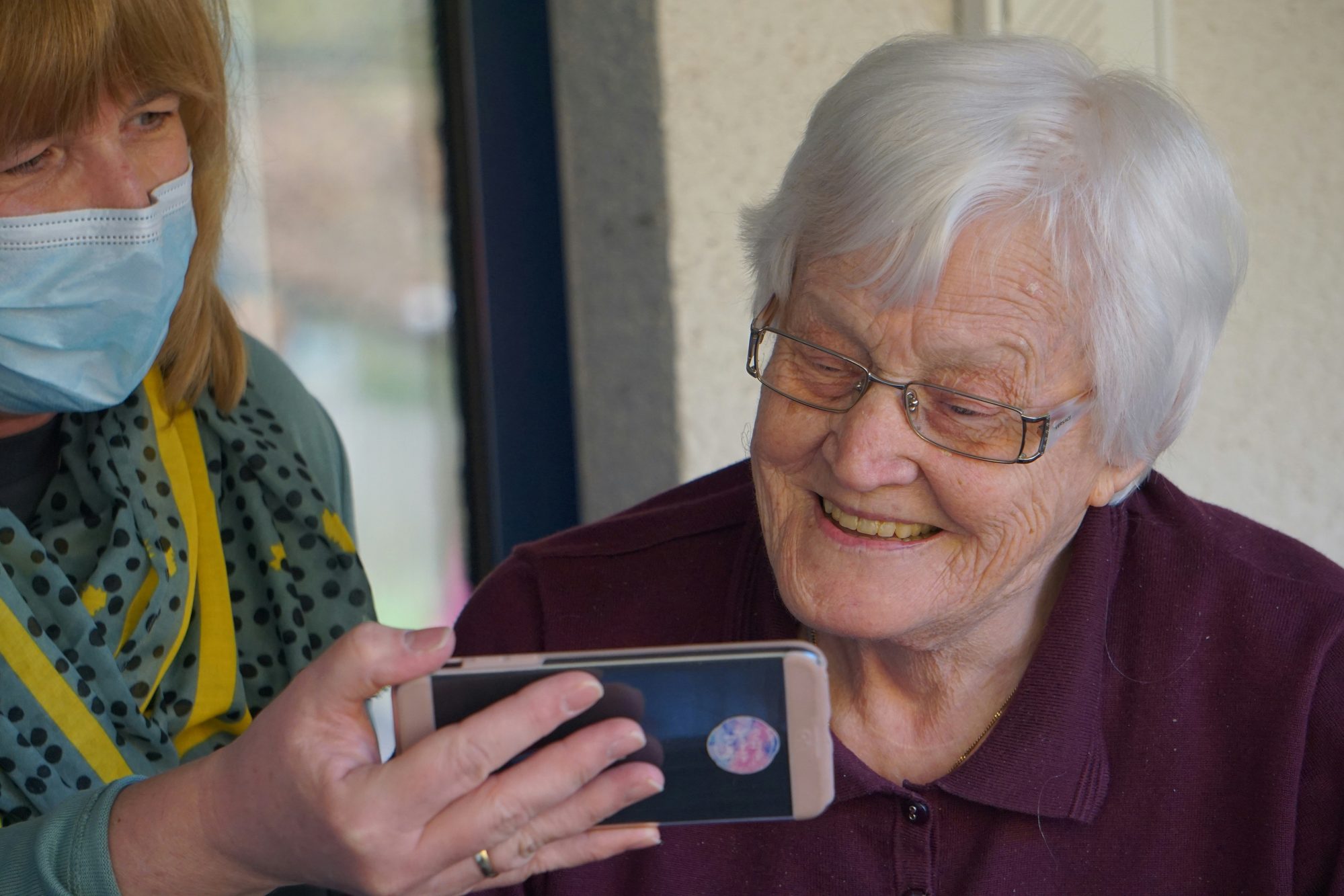
Managing a modern senior living community, assisted living facility, or memory care environment requires balancing two critical priorities: uncompromised resident safety and seamless operational connectivity.
As healthcare technologies evolve—ranging from cloud-based Electronic Health Record (EHR) platforms and telehealth kiosks to smart wearable fall-detection sensors—the physical IT foundation of a facility is no longer just “building wiring.” It is a vital life-safety infrastructure. A dropped Wi-Fi signal in a residential hallway can disrupt critical care updates, while poorly installed access controls can expose vulnerable memory-care residents to severe safety risks.
To build a secure, connected, and future-proof community, senior living operators are turning to specialized C-7 licensed low-voltage contractors. In this guide, we break down how modern physical network design—from certified cabling pathways to intelligent wander management—supports care teams and keeps residents safe.
The Core Challenges of Senior Living Network Design
Unlike typical commercial office spaces or multi-family apartments, senior housing environments face unique architectural and regulatory hurdles:
- High Environmental Interference: Specialized construction materials (such as sound-proofing acoustic panels, fire-rated concrete barriers, and heavy medical equipment shielding) degrade wireless signals, creating dangerous Wi-Fi dead zones.
- Strict Compliance & Life Safety Standards: Low-voltage cabling for emergency pull cords, nurse-call stations, and life-safety systems must adhere strictly to healthcare codes and municipal regulations.
- Bandwidth Competition: Administrative network needs (EHR syncs, security surveillance, e-prescribing) constantly compete with resident lifestyle demands (video calls with family, smart TV streaming, wearable health monitors).
- Resident Distress & Disruption: Retrofitting cabling in occupied care communities requires quiet, phased, and low-impact installation strategies to prevent resident agitation.
3 Essential Low-Voltage Pillars for Modern Retirement Homes
To address these challenges, specialized systems integrators design low-voltage networks around three core technological pillars:
1. Wander Management & Intelligent Access Control
Protecting residents with cognitive impairments or memory loss demands precise physical security that works without making the facility feel like an institution.
- Wander-Guard & Door Delay Integration: Precision low-voltage wiring links delayed-egress magnetic locks directly to resident wristbands or pendant sensors. If a resident approaches an exit, the system alerts staff and secures the perimeter automatically.
- Touchless Biometrics & Staff Entry: Installing hands-free 3D facial recognition and mobile access credentials at main building perimeters, medication rooms, and administrative wings eliminates lost keycards and creates an audited entry log. Learn more about Biometric Secure Access Control Solutions.
- Automated Station Alerts: Security hardware integrates directly with central nursing station dashboards, providing real-time visual and audible notifications if a secured zone is breached.
2. Certified Nurse-Call Pathways & Life-Safety Cabling
When seconds count, emergency response systems rely entirely on the integrity of physical cabling.
- Dedicated Pull-Cord & Bedside Wiring: Deploying high-grade, Fluke-certified Cat6 cabling pathways guarantees reliable transmission for wall-mounted emergency cords, bathroom response triggers, and wireless pendant receivers.
- Telehealth & Medical Data Trunking: Shielded copper cabling and high-speed fiber optic backbones ensure that EHR updates, telehealth video feeds, and vital-sign telemetry run smoothly without network lag.
- Acoustic Masking & Public Address Systems: Integrated low-voltage wiring supports emergency paging and corridor sound-masking systems, creating a peaceful acoustic environment for residents while preserving clear notification pathways. Discover full-scale Low Voltage Wiring Capabilities.
3. Property-Wide Managed Senior Wi-Fi
High-speed internet is no longer an optional amenity; it is essential for resident well-being and operational efficiency.
- Frictionless Resident Connectivity: Pre-configured “Instant-On” networks allow residents to easily connect smart TVs, voice assistants, and personal devices to stay in touch with family.
- Firewalled Caregiver VLANs: Separate, prioritized Virtual Local Area Networks (VLANs) insulate staff medical devices, wireless nurse-call handsets, and mobile charting tablets from general resident traffic.
- Zero-Dead-Zone Campus Coverage: Strategic access point deployment provides seamless roaming across private apartments, dining areas, outdoor courtyards, and activity centers. Explore customized Managed Wi-Fi Infrastructure and high-speed Commercial Internet Services.
Comparing Infrastructure Strategies
When evaluating technology upgrades, senior living operators must consider the difference between legacy quick-fix wiring and a professional low-voltage standard:
| Infrastructure Factor | Legacy / DIY Upgrades | Professional C-7 Healthcare Standard |
| Wi-Fi Coverage | Spotty signals with frequent apartment dead zones | High-density Wi-Fi 6E/7 campus-wide coverage |
| Memory Care Security | Standalone, unmonitored exit alarms | Fully integrated wander-guard locks & station alerts |
| Emergency Signal Speed | Vulnerable to unshielded signal interference | Fluke-certified, shielded Cat6A pathways |
| Deployment Method | Loud, disruptive construction periods | Phased, low-noise installation scheduled around care routines |
Regional Service Coverage Across Southern California
Deploying life-safety infrastructure requires licensed expertise, local code familiarity, and rapid on-site response times. Specialized infrastructure provider Cami Networks partners with senior living developers, healthcare administrators, and facility directors across Southern California and nationwide:
- Los Angeles County: Serving retirement communities, memory care facilities, and assisted living centers in Downtown LA, Pasadena, Glendale, and the San Fernando Valley.
- Orange County: Providing full low-voltage deployments for Continuing Care Retirement Communities (CCRCs) in Irvine, Mission Viejo, Costa Mesa, and Newport Beach.
- Ventura County & Santa Barbara County: Delivering certified network infrastructure for senior care centers in Oxnard, Thousand Oaks, Camarillo, Goleta, and Santa Barbara.
- Nationwide Portfolio Rollouts: Standardized, multi-site low-voltage installations for national senior housing operators.
Frequently Asked Questions
Why is low-voltage infrastructure critical for retirement homes?
Low-voltage cabling powers essential safety and operational systems, including nurse-call buttons, wander-management locks, CCTV surveillance, and high-speed Wi-Fi. A certified low-voltage network ensures these critical systems remain operational without interference or downtime.
How does wander management protect memory-care residents?
Wander-management systems use low-voltage sensors integrated with delayed-egress magnetic door locks. When a resident wearing an integrated bracelet or pendant approaches a perimeter exit, the system locks the door and instantly notifies nursing staff.
Can low-voltage installation be completed without disturbing current residents?
Yes. Professional healthcare low-voltage contractors utilize phased, low-noise installation schedules. Work is coordinated with facility managers to keep construction contained, clean, and quiet during key care hours.
Ready to Modernize Your Community?
Whether you are breaking ground on a new construction project or retrofitting an existing senior care facility, your physical network infrastructure is the foundation of resident safety and staff performance.
Partner with licensed professionals who understand healthcare compliance, life-safety requirements, and modern wireless demands. Contact Cami Networks today to schedule a comprehensive senior living site survey and facility audit.